At a glance
Think of the four ways as four questions. Any single peptide has an answer to each one, so it sits on all four maps at once.
| Sorted by | Groups | Example | Why it fits |
|---|---|---|---|
| Size | dipeptide, tripeptide, oligopeptide, polypeptide | carnosine, a dipeptide | two amino acid units |
| Shape | linear, branched, cyclic | oxytocin, a ring | two cysteines bond to close a loop |
| Origin | body, food, microbes, lab | glutathione, found in many foods | made by cells and present in plant and animal tissue |
| Job | hormone, messenger, defence, carrier | insulin, a hormone | travels in the blood to act on distant tissue |
The sections below take each row in turn.
Sources: US National Library of Medicine, MeSH descriptor: Peptides (D010455). US National Library of Medicine, MeSH descriptor: Dipeptides (D004151). PubChem compound record CID 439224 (carnosine), US National Library of Medicine. PubChem compound record CID 124886 (glutathione), US National Library of Medicine. PubChem compound record CID 439302 (oxytocin), US National Library of Medicine. Jones DP et al, Nutr Cancer, 1992.
Questions about this guide?
Ask on WhatsAppSorted by size
Size is the oldest way to name peptides, and the prefixes tell you the count.
| Name | Amino acids | Example |
|---|---|---|
| Dipeptide | 2 | carnosine |
| Tripeptide | 3 | glutathione, GHK-Cu, KPV |
| Oligopeptide | about 2 to 12 | oxytocin, with 9 |
| Polypeptide | about 13 or more | insulin, with 51 across two chains |
These ranges come from the National Library of Medicine's subject headings. Oligopeptides have about 2 to 12 amino acids. Polypeptides have about 13 or more. No single number marks where a polypeptide ends and a protein begins. Proteins are simply the larger versions. They fold into complex machines such as enzymes and receptors.
Insulin shows how close the line can be. It has a B chain of 30 amino acids and an A chain of 21. Bonds between sulfur atoms join the two chains.
Sources: US National Library of Medicine, MeSH descriptor: Peptides (D010455). US National Library of Medicine, MeSH descriptor: Oligopeptides (D009842). US National Library of Medicine, MeSH descriptor: Dipeptides (D004151). PubChem compound record CID 439224 (carnosine), US National Library of Medicine. PubChem compound record CID 124886 (glutathione), US National Library of Medicine. PubChem compound record CID 439302 (oxytocin), US National Library of Medicine. UniProt entry P01308 (human insulin, B chain and A chain). PubChem compound record CID 139035031 (copper tripeptide, GHK-Cu), US National Library of Medicine. PubChem compound record CID 125672 (Lys-Pro-Val, KPV), US National Library of Medicine.
Sorted by shape
A chain of amino acids can stay open, split, or join back on itself.
- Linear: an open chain with two free ends. BPC-157, a 15 amino acid sequence, is one.
- Branched: a chain with a side branch attached partway along. The subject heading for peptides lists this as one of the three basic shapes.
- Cyclic: the chain closes into a ring. Oxytocin is a ring formed by a link between two cysteines. Gramicidin S is a ring made only of peptide bonds. MT-2 is a chain of seven amino acids. Its last six close into a ring through a lactam bridge.
Shape matters to chemists because a ring has no loose ends. The library's heading for cyclic peptides adds one more point. Some are made by microbes without the usual protein building machinery.
Sources: US National Library of Medicine, MeSH descriptor: Peptides (D010455). US National Library of Medicine, MeSH descriptor: Peptides, Cyclic (D010456). PubChem compound record CID 439302 (oxytocin), US National Library of Medicine. PubChem compound record CID 73357 (gramicidin S), US National Library of Medicine. PubChem compound record CID 9941957 (BPC-157), US National Library of Medicine. PubChem compound record CID 92432 (melanotan II), US National Library of Medicine.
Sorted by origin
Peptides can also be grouped by where they come from.
- Made in the body. Insulin and oxytocin are both made by human cells. So is glutathione, which almost every cell builds for itself.
- Present in food. Plant and animal tissues carry peptides too. A 1992 food survey found glutathione across a typical diet. Levels varied a lot between food groups.
- Made by microbes and other living things. Antimicrobial peptides are found across all kingdoms of life as part of natural defences.
- Made in a lab. Chemists copy a natural peptide and then change it. Afamelanotide, sold to labs as MT-1, is the skin hormone alpha-MSH with two amino acids swapped.
A 2021 review traces this history. Most of its authors were researchers in Queensland and New South Wales. Early peptide medicines copied human hormones. Later ones came from nature, including animal venoms, and from rational design.
Sources: PubChem compound record CID 124886 (glutathione), US National Library of Medicine. PubChem compound record CID 439302 (oxytocin), US National Library of Medicine. Muttenthaler M, King GF, Adams DJ, Alewood PF, Nat Rev Drug Discov, 2021. Bin Hafeez A et al, Int J Mol Sci, 2021. Jones DP et al, Nutr Cancer, 1992. PubChem compound record CID 16197727 (afamelanotide), US National Library of Medicine.
Sorted by job
Here the groups describe biology only: the part each peptide plays in cells and tissues.
| Group | What the group means | Examples |
|---|---|---|
| Peptide hormones | made from amino acids and act across the whole body | insulin |
| Neuropeptides | released by nerve cells as messengers between cells | neuropeptide Y; oxytocin, which also works as a messenger in the brain |
| Antimicrobial peptides | small peptides in early defences against microbes, most carrying a positive charge | LL-37, made by humans; magainins, made by frogs |
| Cell-penetrating peptides | able to cross the cell membrane and carry other molecules in | Tat, from an HIV protein, and penetratin, two of the first found |
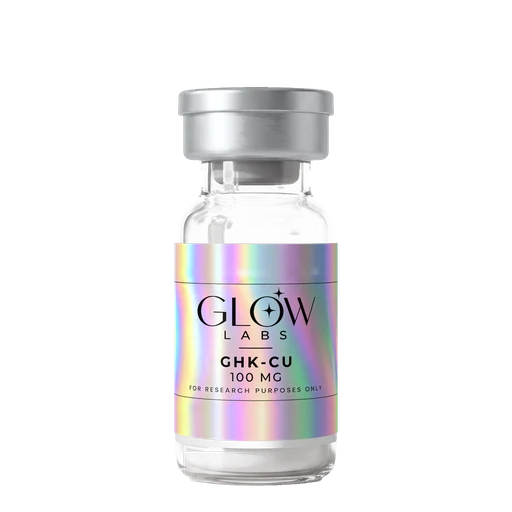
| Copper-binding peptides | hold a copper ion inside a short chain | GHK-Cu |
Medicine has used peptide hormones since insulin therapy began in the 1920s. A 2018 review counted more than 60 peptide drugs approved in the United States and other major markets.
Sources: PubChem compound record CID 439302 (oxytocin), US National Library of Medicine. Lau JL, Dunn MK, Bioorg Med Chem, 2018. Bin Hafeez A et al, Int J Mol Sci, 2021. Oliveira Júnior NG et al, Nat Rev Microbiol, 2025. Guidotti G, Brambilla L, Rossi D, Trends Pharmacol Sci, 2017. US National Library of Medicine, MeSH descriptor: Neuropeptides (D009479). US National Library of Medicine, MeSH descriptor: Peptide Hormones (D036361). US National Library of Medicine, MeSH descriptor: Antimicrobial Peptides. US National Library of Medicine, MeSH descriptor: Cell-Penetrating Peptides (D057846). PubChem compound record CID 139035031 (copper tripeptide, GHK-Cu), US National Library of Medicine. Prochiantz A, Methods Mol Biol, 2011.
Skincare peptides
Skincare labels use their own set of peptide groups. A 2009 review of topical skin peptides sorted them into four categories:
- signal peptides
- enzyme-inhibitor peptides
- neurotransmitter-inhibitor peptides
- carrier peptides
These are names for cosmetic ingredient groups, used by formulators. They say nothing about whether a product does anything, and we make no such claim.
Sources: Gorouhi F, Maibach HI, Int J Cosmet Sci, 2009.
Medicine or research
The same chemistry can sit on two very different shelves. An approved peptide medicine has been assessed by a regulator. It is entered on the Australian Register of Therapeutic Goods (ARTG). A research peptide has not been through either step.
The TGA issued a safety alert in April 2026. In it, the TGA notes that it has not assessed the safety, quality or effectiveness of unapproved peptide products. Its named examples include BPC-157, GHK-Cu, TB-500, retatrutide and CJC-1295. The TGA also says a research use label does not, on its own, make supply lawful. Is any peptide safe for a person? The honest answer is that the regulator has not assessed these products. A registered health professional is the right person to ask.
Our research areas
Here is where each Glow Labs research area sits on the map above.
| Research area | Examples | Where they sit |
|---|---|---|
| Beauty research | GHK-Cu, AHK-Cu | copper-binding tripeptides |
| Repair research | BPC-157, KPV | a 15 unit linear chain; a tripeptide |
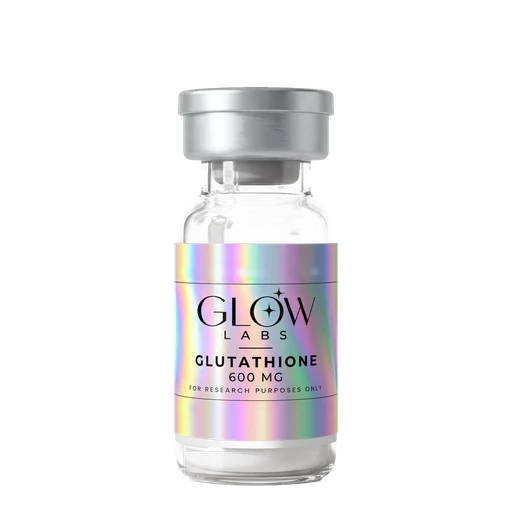
| Longevity research | glutathione | a tripeptide cells make |
| Melanocortin research | MT-1, MT-2 | lab-made alpha-MSH analogues, one linear and one cyclic |
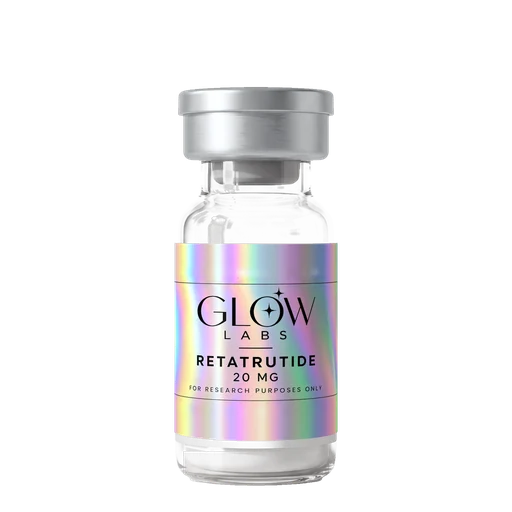
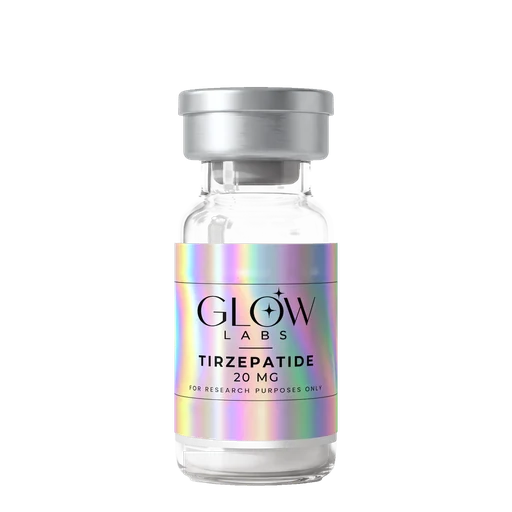
| Metabolic research | retatrutide, tirzepatide | lab-made polypeptides of 39 units; tirzepatide targets two hormone receptors and retatrutide three |
| Hormone research | CJC-1295, ipamorelin, tesamorelin, kisspeptin-10 | CJC-1295 is built on the first 29 units of growth hormone releasing hormone, and tesamorelin on all 44; ipamorelin is a five unit chain; kisspeptin-10 is a ten unit oligopeptide matching the last ten units of the 54 unit kisspeptin |
| Cognitive research | Semax, Selank, DSIP | short chains of 7 to 9 units; Semax extends a fragment of the hormone ACTH, and the library files DSIP as a neuropeptide |
Not everything a peptide shop stocks is a peptide. Some research compounds are small molecules or coenzymes with no amino acid chain at all. Each guide says so where it applies. You can browse the full shop by area.
Sources: PubChem compound record CID 124886 (glutathione), US National Library of Medicine. US National Library of Medicine, MeSH descriptor: Neuropeptides (D009479). PubChem compound record CID 139035031 (copper tripeptide, GHK-Cu), US National Library of Medicine. PubChem compound record CID 9941957 (BPC-157), US National Library of Medicine. PubChem compound record CID 125672 (Lys-Pro-Val, KPV), US National Library of Medicine. PubChem compound record CID 92432 (melanotan II), US National Library of Medicine. PubChem compound record CID 16197727 (afamelanotide), US National Library of Medicine. KEGG DRUG D11360, Tirzepatide (JAN/USAN). KEGG DRUG D12430, Retatrutide (USAN). PubChem compound record CID 91971820 (CJC-1295), US National Library of Medicine. PubChem compound record CID 9831659 (ipamorelin), US National Library of Medicine. PubChem compound record CID 16137828 (tesamorelin), US National Library of Medicine. PubChem compound record CID 9811102 (Semax), US National Library of Medicine. PubChem compound record CID 11765600 (Selank), US National Library of Medicine. PubChem compound record CID 68816 (delta sleep-inducing peptide), US National Library of Medicine. PubChem compound record CID 25240297 (kisspeptin-10), US National Library of Medicine. Kotani M et al, J Biol Chem, 2001.
Research use only
Glow Labs supplies these compounds as lyophilised powder for laboratory research only. They are not medicines, supplements or cosmetics, and they are not for people or animals. Orders leave our Traralgon base in Gippsland during afternoon business hours, with fast delivery and tracking, 2-3 days. See shipping for the details, and how purity is tested for what a certificate shows.
FAQ
Are peptides and proteins the same?
They are built the same way, from amino acids joined by peptide bonds. Proteins are the larger versions that fold into complex shapes such as enzymes and receptors.
Is glutathione a peptide?
Yes. Glutathione is a chain of three amino acids, glutamate, cysteine and glycine, and almost every cell makes it.
What are the types of peptides for skin?
A 2009 review of topical peptides used four cosmetic groups: signal, enzyme-inhibitor, neurotransmitter-inhibitor and carrier peptides. These are ingredient categories, not proof of any effect.
Are peptides safe?
We do not make safety claims either way. The TGA says it has not evaluated unapproved peptide products for safety, quality or effectiveness.
Sources: US National Library of Medicine, MeSH descriptor: Peptides (D010455). PubChem compound record CID 124886 (glutathione), US National Library of Medicine. Gorouhi F, Maibach HI, Int J Cosmet Sci, 2009. Therapeutic Goods Administration, Understanding your responsibilities when importing, compounding and supplying unapproved peptide products, Safety advisory, 13 April 2026.
Sources
- US National Library of Medicine, MeSH descriptor: Peptides (D010455).
- US National Library of Medicine, MeSH descriptor: Oligopeptides (D009842).
- US National Library of Medicine, MeSH descriptor: Dipeptides (D004151).
- US National Library of Medicine, MeSH descriptor: Peptides, Cyclic (D010456).
- PubChem compound record CID 439224 (carnosine), US National Library of Medicine.
- PubChem compound record CID 124886 (glutathione), US National Library of Medicine.
- PubChem compound record CID 439302 (oxytocin), US National Library of Medicine.
- UniProt entry P01308 (human insulin, B chain and A chain).
- Muttenthaler M, King GF, Adams DJ, Alewood PF, Trends in peptide drug discovery, Nat Rev Drug Discov, 2021.
- Lau JL, Dunn MK, Therapeutic peptides: historical perspectives, current development trends, and future directions, Bioorg Med Chem, 2018.
- Bin Hafeez A et al, Antimicrobial peptides: an update on classifications and databases, Int J Mol Sci, 2021.
- Oliveira Júnior NG et al, Antimicrobial peptides: structure, functions and translational applications, Nat Rev Microbiol, 2025.
- Guidotti G, Brambilla L, Rossi D, Cell-penetrating peptides: from basic research to clinics, Trends Pharmacol Sci, 2017.
- Gorouhi F, Maibach HI, Role of topical peptides in preventing or treating aged skin, Int J Cosmet Sci, 2009.
- US National Library of Medicine, MeSH descriptor: Neuropeptides (D009479).
- US National Library of Medicine, MeSH descriptor: Peptide Hormones (D036361).
- US National Library of Medicine, MeSH descriptor: Antimicrobial Peptides.
- US National Library of Medicine, MeSH descriptor: Cell-Penetrating Peptides (D057846).
- PubChem compound record CID 139035031 (copper tripeptide, GHK-Cu), US National Library of Medicine.
- PubChem compound record CID 73357 (gramicidin S), US National Library of Medicine.
- Jones DP et al, Glutathione in foods listed in the National Cancer Institute's Health Habits and History Food Frequency Questionnaire, Nutr Cancer, 1992.
- PubChem compound record CID 9941957 (BPC-157), US National Library of Medicine.
- PubChem compound record CID 125672 (Lys-Pro-Val, KPV), US National Library of Medicine.
- PubChem compound record CID 92432 (melanotan II), US National Library of Medicine.
- PubChem compound record CID 16197727 (afamelanotide), US National Library of Medicine.
- Therapeutic Goods Administration, Understanding your responsibilities when importing, compounding and supplying unapproved peptide products, Safety advisory, 13 April 2026.
- Prochiantz A, Homeoprotein intercellular transfer, the hidden face of cell-penetrating peptides, Methods Mol Biol, 2011.
- KEGG DRUG D11360, Tirzepatide (JAN/USAN).
- KEGG DRUG D12430, Retatrutide (USAN).
- PubChem compound record CID 91971820 (CJC-1295), US National Library of Medicine.
- PubChem compound record CID 9831659 (ipamorelin), US National Library of Medicine.
- PubChem compound record CID 16137828 (tesamorelin), US National Library of Medicine.
- PubChem compound record CID 9811102 (Semax), US National Library of Medicine.
- PubChem compound record CID 11765600 (Selank), US National Library of Medicine.
- PubChem compound record CID 68816 (delta sleep-inducing peptide), US National Library of Medicine.
- PubChem compound record CID 25240297 (kisspeptin-10), US National Library of Medicine.
- Kotani M et al, The metastasis suppressor gene KiSS-1 encodes kisspeptins, the natural ligands of the orphan G protein-coupled receptor GPR54, J Biol Chem, 2001.