
Research area
Longevity Research Peptides
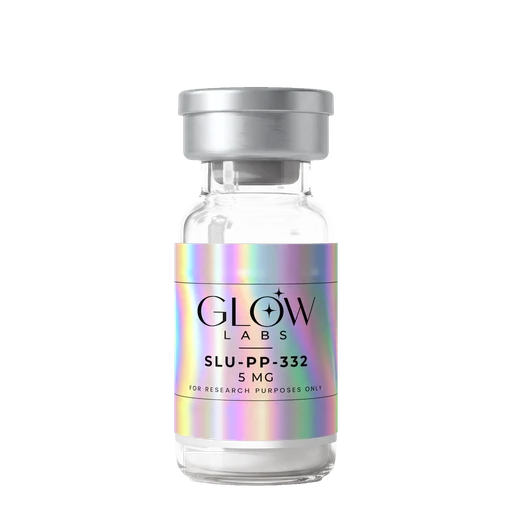
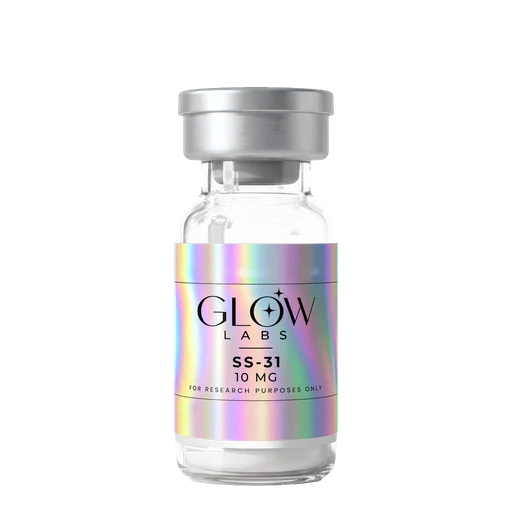
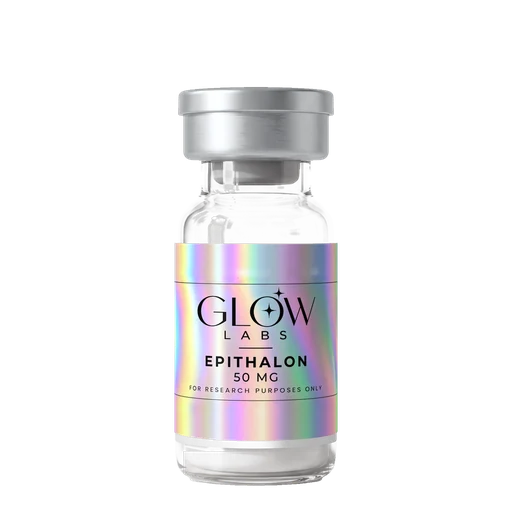
Longevity research peptides are compounds that labs use to study the biology of ageing. Examples include how mitochondria make energy and how cells cope with stress. This area holds six compounds in seven vial sizes: MOTS-c, SS-31, Epitalon, glutathione, NAD+ and SLU-PP-332. The first four are peptides, while NAD+ and SLU-PP-332 are not.
4 in stock, 3 stocking soon
In this area
The compounds
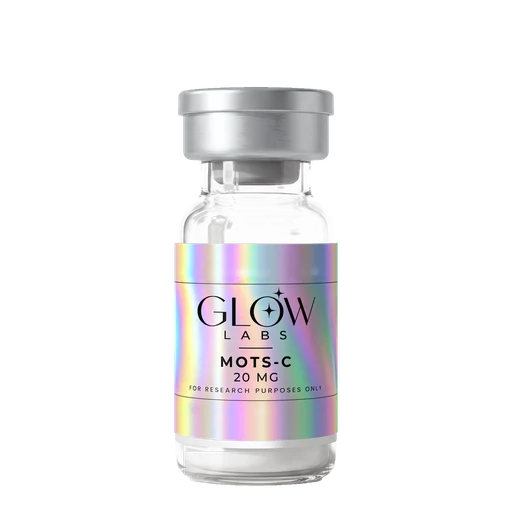
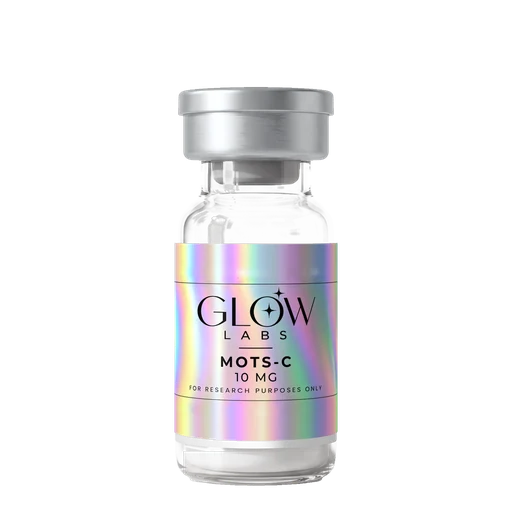
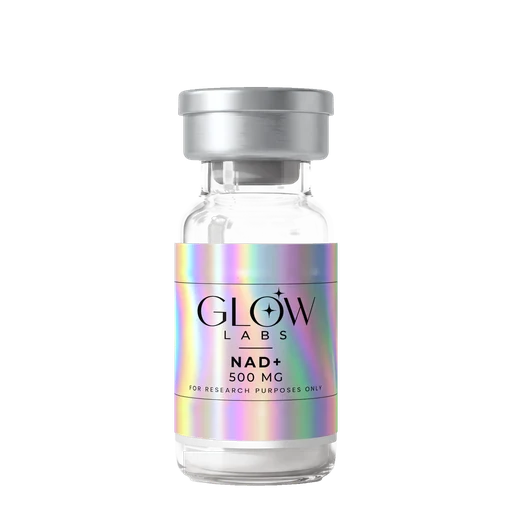
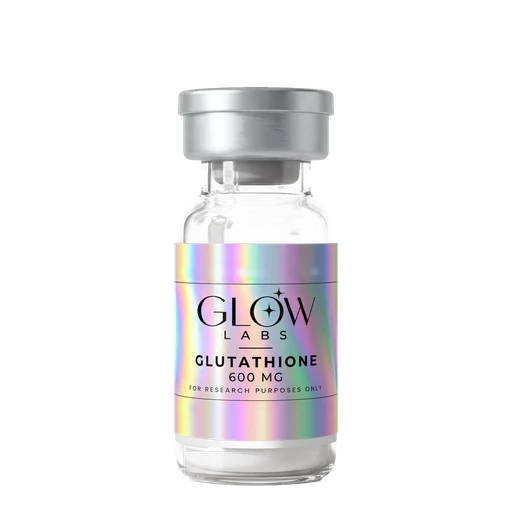
Plain outer packaging on every order.
Orders leave Traralgon in the afternoon during business hours, then travel tracked to your door.
Certificates of analysis available on request.
If a vial arrives damaged, broken or not what you ordered, message us within 7 days with a photo and we'll replace it free.
Background
About this area
What longevity research covers
Ageing research tries to name the changes that build up in cells over time and to test whether they can be measured or shifted in the lab. A widely cited 2023 paper in Cell lists twelve such hallmarks of ageing.
They include telomere attrition, the wearing down of the protective caps on chromosomes, mitochondrial dysfunction, deregulated nutrient sensing, chronic inflammation and cellular senescence. Most compounds in this area are research tools for one of these topics, not for ageing as a whole.
Sources: Lopez-Otin C et al, Hallmarks of aging: an expanding universe, Cell, 2023.
Which biology each compound is used to study
Sorting the six by topic is the clearest way to see how they differ.
- Mitochondrial signals: MOTS-c is a 16 residue peptide coded by a short gene inside mitochondrial DNA. Its 2015 discovery paper named skeletal muscle as its main target in mice and linked it to AMPK, an energy sensing enzyme.
- Mitochondrial membranes: SS-31, also called elamipretide, is a four residue Szeto-Schiller peptide. It binds cardiolipin, a lipid that exists only in the inner membrane of mitochondria.
- Energy and DNA repair enzymes: NAD+ is a coenzyme for redox reactions. Enzymes such as sirtuins, CD38 and PARPs also depend on it as a cofactor. A 2018 study found that blocking the enzyme NNMT raised NAD+ inside fat cells, which ties 5-Amino-1MQ, from our metabolic area, to NAD+ biology.
- Redox balance: glutathione is the most abundant low molecular weight thiol that cells make, and a standard reference compound in oxidative stress work.
- Telomeres: Epitalon, also spelled Epithalon, is the tetrapeptide Ala-Glu-Asp-Gly, studied for telomerase activity in human cell cultures.
- Exercise signalling: SLU-PP-332 is a small molecule that switches on the ERR family of nuclear receptors. In a muscle cell line, researchers measured higher mitochondrial function and respiration.
Sources: Lee C et al, The mitochondrial-derived peptide MOTS-c promotes metabolic homeostasis and reduces obesity and insulin resistance, Cell Metab, 2015. Szeto HH, First-in-class cardiolipin-protective compound as a therapeutic agent to restore mitochondrial bioenergetics, Br J Pharmacol, 2014. Covarrubias AJ et al, NAD+ metabolism and its roles in cellular processes during ageing, Nat Rev Mol Cell Biol, 2021. Neelakantan H et al, Biochem Pharmacol, 2018. Forman HJ, Zhang H, Rinna A, Glutathione: overview of its protective roles, measurement, and biosynthesis, Mol Aspects Med, 2009. Khavinson VK et al, Epithalon peptide induces telomerase activity and telomere elongation in human somatic cells, Bull Exp Biol Med, 2003. Billon C et al, ACS Chem Biol, 2023.
Peptides, a coenzyme and a small molecule
Calling all six peptides is a common shortcut, and it is wrong for two of them. NAD+ is two nucleotides joined through phosphate groups, and SLU-PP-332 is a drug-like benzohydrazide of about 290 g/mol. Neither contains an amino acid chain.
The four true peptides vary a lot in size. Glutathione has three residues, Epitalon and SS-31 have four, and MOTS-c has sixteen. That matters for testing. A small, well known molecule such as NAD+ is usually checked by HPLC, while each peptide needs a mass that matches its own sequence. PubChem lists SS-31 near 640 g/mol and Epitalon near 390 g/mol, for example.
Sources: PubChem compound record: Nadide (NAD+) (CID 5892), US National Library of Medicine. PubChem compound record: SLU-PP-332 (CID 5338394), US National Library of Medicine. PubChem compound record: Glutathione (CID 124886), US National Library of Medicine. PubChem compound record: Epitalon (CID 219042), US National Library of Medicine. PubChem compound record: Elamipretide (SS-31) (CID 11764719), US National Library of Medicine. PubChem compound record: MOTS-c (CID 146675088), US National Library of Medicine.
What the studies examined
Most of the work in this area comes from cells and rodents. MOTS-c was studied in mice on high fat diets and in older mice. A 2023 review adds that it circulates in plasma at levels that fall with age, and that no method for clinical use has been developed. SLU-PP-332 was tested in mice for muscle fibre type and endurance in 2023, then in obese mouse models in 2024.
Epitalon rests on cell studies. A 2003 paper added it to human fetal fibroblasts that lacked telomerase and reported telomerase activity and longer telomeres. A 2025 paper in Biogerontology returned to telomere length in human cell lines.
NAD+ has the broadest literature. A 2021 review describes NAD+ levels falling with age in rodents and in people, and calls for more work on whether raising them is safe. SS-31 (elamipretide) is the only compound here sold as a US FDA approved medicine, FORZINITY, which has accelerated approval for Barth syndrome, a rare inherited disorder.
Our guides go deeper on MOTS-c, SS-31, Epitalon, NAD+, glutathione and SLU-PP-332.
Sources: Lee C et al, The mitochondrial-derived peptide MOTS-c promotes metabolic homeostasis and reduces obesity and insulin resistance, Cell Metab, 2015. Zheng Y et al, MOTS-c: a promising mitochondrial-derived peptide for therapeutic exploitation, Front Endocrinol, 2023. Billon C et al, ACS Chem Biol, 2023. Billon C et al, A synthetic ERR agonist alleviates metabolic syndrome, J Pharmacol Exp Ther, 2024. Khavinson VK et al, Epithalon peptide induces telomerase activity and telomere elongation in human somatic cells, Bull Exp Biol Med, 2003. Al-Dulaimi S et al, Epitalon increases telomere length in human cell lines through telomerase upregulation or ALT activity, Biogerontology, 2025. Covarrubias AJ et al, NAD+ metabolism and its roles in cellular processes during ageing, Nat Rev Mol Cell Biol, 2021. Stealth BioTherapeutics, FORZINITY (elamipretide) US prescribing information, DailyMed, US National Library of Medicine.
Regulatory notes
The US approval of elamipretide applies only to that finished medicine and that one condition. In Australia, the Poisons Standard puts glutathione for parenteral use, which means given by a route other than the gut, in Schedule 4 as a prescription only medicine. In 2026 anti-doping chemists published detection data for SLU-PP-332 because of its possible misuse in sport. SLU-PP-332 also appears among the metabolic modulators on the World Anti-Doping Agency list that takes effect on 1 January 2027. Sport Integrity Australia publishes guidance on peptides in sport.
Every compound in this area is sold by Glow Labs as a research chemical for laboratory study. None is offered as a supplement or a medicine.
Sources: Stealth BioTherapeutics, FORZINITY (elamipretide) US prescribing information, DailyMed, US National Library of Medicine. Therapeutic Goods (Poisons Standard, October 2026) Instrument 2026 (F2026L01327): Schedule 4 entry, glutathione for parenteral use, Federal Register of Legislation, Australian Government. In vitro metabolism and analytical characterization of SLU-PP-332 and SLU-PP-915: novel pan-ERR agonists with doping potential, Rapid Commun Mass Spectrom, 2026. World Anti-Doping Agency, 2027 Prohibited List, S4.4.1, valid 1 January 2027. Sport Integrity Australia, Substance education: peptides.
Guides
Area guides
FAQ
Your questions
What is the main difference between MOTS-c and SS-31 peptides?
Where they act in the mitochondrion. MOTS-c is a signalling peptide that mitochondrial DNA itself codes for, studied mainly in muscle. SS-31 is a synthetic peptide built to bind cardiolipin in the inner membrane.
Which of these compounds are mitochondrial peptides?
Two of them, MOTS-c and SS-31. SLU-PP-332 is also studied for mitochondrial function in muscle cells, but it is a small molecule rather than a peptide.
Is NAD+ a peptide?
No. NAD+, or nicotinamide adenine dinucleotide, is a coenzyme made of two nucleotides. Shops often call it an NAD peptide, but it contains no amino acids.
Is SLU-PP-332 a peptide?
No. It is a synthetic small molecule that switches on oestrogen-related receptors (ERRs), with the highest potency at ERR alpha. It sits here because it is studied in mitochondrial and exercise biology.
Sources: Lee C et al, The mitochondrial-derived peptide MOTS-c promotes metabolic homeostasis and reduces obesity and insulin resistance, Cell Metab, 2015. Szeto HH, First-in-class cardiolipin-protective compound as a therapeutic agent to restore mitochondrial bioenergetics, Br J Pharmacol, 2014. Billon C et al, ACS Chem Biol, 2023. PubChem compound record: Nadide (NAD+) (CID 5892), US National Library of Medicine. PubChem compound record: SLU-PP-332 (CID 5338394), US National Library of Medicine.
Explore
Other areas
Not sure which compound fits your research?
Ask on WhatsApp