
Research area
Beauty Research Peptides
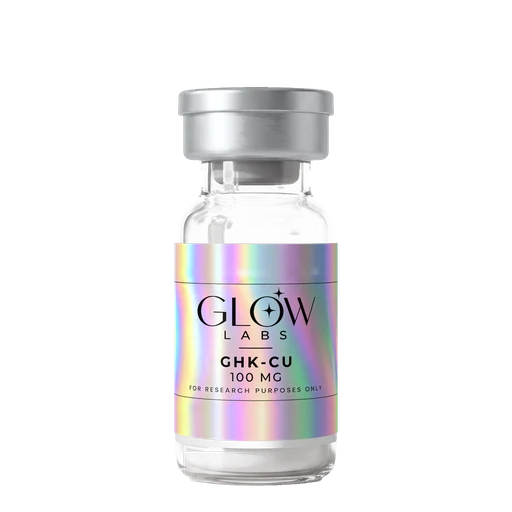
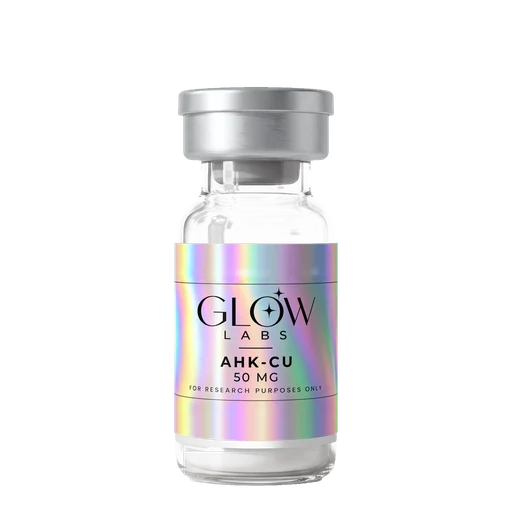
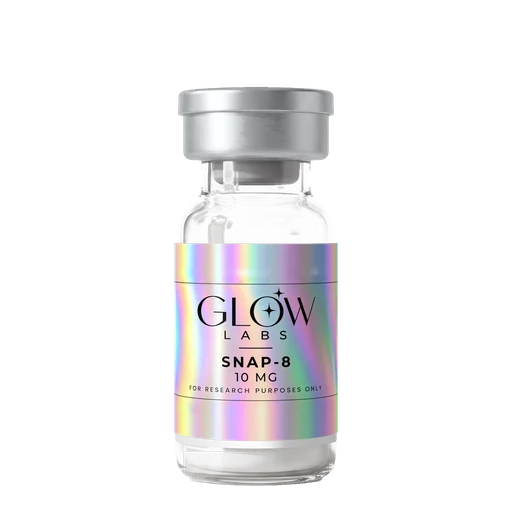
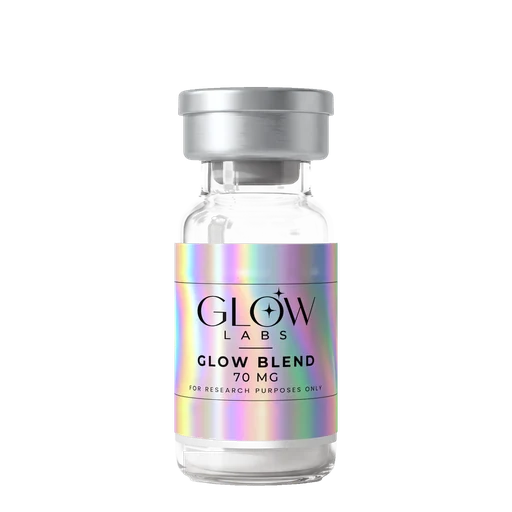
Beauty research peptides are short amino acid chains that scientists study in skin cells, hair follicles and cosmetic science. Our range here holds two copper peptides, GHK-Cu and AHK-Cu, plus Snap-8, which contains no copper, and the GLOW Blend. Each one is a raw lab powder, not a cream or serum. You order these vials on WhatsApp (the GLOW Blend is on pre-order while it is stocking soon), and we send each one from Traralgon, Gippsland VIC, during afternoon business hours. Tracked delivery takes 2-3 days.
3 in stock, 1 stocking soon
In this area
The compounds
Plain outer packaging on every order.
Orders leave Traralgon in the afternoon during business hours, then travel tracked to your door.
Certificates of analysis available on request.
If a vial arrives damaged, broken or not what you ordered, message us within 7 days with a photo and we'll replace it free.
Background
About this area
What beauty research covers
Cosmetic scientists have studied peptides for decades because short chains of amino acids can act as signals between cells. A 2009 review in the International Journal of Cosmetic Science sorted the peptides tested on skin into four groups. It named them signal, enzyme-inhibitor, neurotransmitter-inhibitor and carrier peptides.
Lab work in this area uses tissue and cells rather than finished products. Typical models are fibroblasts, the cells that make collagen, and hair follicles kept alive outside the body. Gene expression data, which shows which genes switch on or off, is another common tool.
One compound anchors the field. GHK is found naturally in human plasma, saliva and urine, and a 2015 review notes that its levels fall with age.
Sources: Gorouhi F, Maibach HI, Role of topical peptides in preventing or treating aged skin, Int J Cosmet Sci, 2009. Pickart L et al, GHK peptide as a natural modulator of multiple cellular pathways in skin regeneration, Biomed Res Int, 2015. Pyo HK et al, The effect of tripeptide-copper complex on human hair growth in vitro, Arch Pharm Res, 2007.
How the four products differ
The first split is copper or no copper. Inside the copper pair, the gap is a single amino acid.
- GHK-Cu: the tripeptide glycine, histidine and lysine holding one copper ion. It is by far the most studied compound in this group.
- AHK-Cu: the same idea with alanine in first place instead of glycine. Alanine carries a methyl group where glycine has only a hydrogen. AHK-Cu has a much thinner research record.
- Snap-8: acetyl octapeptide-3, an eight residue chain with no metal. It extends Argireline, the six residue peptide Ac-EEMQRR-NH2, by two more amino acids.
- GLOW Blend: one vial labelled as GHK-Cu at 50mg plus 10mg each of BPC-157 and TB-500. The two repair peptides in it are covered on our repair research page.
For the copper pair, our guides explain what GHK-Cu is and how AHK-Cu and GHK-Cu compare.
Sources: PubChem compound record: Prezatide copper (copper tripeptide-1, GHK-Cu) (CID 71587328), US National Library of Medicine. PubChem compound record: AHK-Cu (CID 168431292), US National Library of Medicine. PubChem compound record: Acetyl octapeptide-3 (CID 76283482), US National Library of Medicine. PubChem compound record: Acetyl hexapeptide-3 (CID 71587772), US National Library of Medicine.
What the studies examined
Reviews of GHK by Pickart and colleagues describe lab studies of collagen, glycosaminoglycans and decorin, along with the enzymes that break these down. The 2015 review also cites gene data suggesting GHK can raise or lower the activity of thousands of human genes. The 2018 review is built around that data.
AHK-Cu rests mainly on one 2007 paper. That team grew dermal papilla cells, the cells at the base of a hair follicle. It also kept human follicles alive in dishes, then measured follicle length and cell survival.
Snap-8 comes from a different line of work. Its parent, Argireline, was designed in 2002 to interfere with the protein complex that nerve endings use to release chemical messengers. Studies naming Snap-8 itself are small cosmetic trials of microneedle patches that also carry other active ingredients, so none of them isolates it.
Sources: Pickart L et al, GHK peptide as a natural modulator of multiple cellular pathways in skin regeneration, Biomed Res Int, 2015. Pickart L, Margolina A, Int J Mol Sci, 2018. Pyo HK et al, The effect of tripeptide-copper complex on human hair growth in vitro, Arch Pharm Res, 2007. Blanes-Mira C et al, A synthetic hexapeptide (Argireline) with antiwrinkle activity, Int J Cosmet Sci, 2002. Avcil M et al, Efficacy of bioactive peptides loaded on hyaluronic acid microneedle patches: a monocentric clinical study, J Cosmet Dermatol, 2020. Shin JY et al, Ann Dermatol, 2024.
Lab vials versus skin care products
Skin creams and serums have used copper peptides such as GHK-Cu for decades. A serum is a finished cosmetic. The maker mixes the peptide with water, oils and preservatives at a level it chooses. A research vial holds only the freeze-dried peptide, with nothing added.
That difference changes how quality is checked. A copper peptide certificate should confirm both the peptide chain and the copper. Mass also tells look-alikes apart. PubChem lists Snap-8 near 1075 g/mol and its shorter parent Argireline near 887 g/mol, so a mass check shows which one is in the vial.
Sources: Pickart L, Margolina A, Int J Mol Sci, 2018. PubChem compound record: Prezatide copper (copper tripeptide-1, GHK-Cu) (CID 71587328), US National Library of Medicine. PubChem compound record: Acetyl octapeptide-3 (CID 76283482), US National Library of Medicine. PubChem compound record: Acetyl hexapeptide-3 (CID 71587772), US National Library of Medicine.
Regulatory status in Australia
GHK-Cu is one of the peptides the TGA names in its warnings about unapproved peptide products. So are BPC-157 and TB-500, the other two parts of the GLOW label.
Glow Labs sells everything in this area for laboratory research. These vials are not cosmetics and are not sold for use on skin or hair.
Sources: Therapeutic Goods Administration, Peptide products (topic page). Therapeutic Goods Administration, Understanding your responsibilities when importing, compounding and supplying unapproved peptide products, Safety advisory, 13 April 2026.
FAQ
Your questions
Which copper peptide has been studied the most?
GHK-Cu, by a wide margin. Its literature spans cell, animal and gene expression work over several decades. AHK-Cu has one main published study on hair follicle cells.
How does AHK-Cu differ from GHK-Cu?
One amino acid. GHK-Cu starts with glycine and AHK-Cu starts with alanine, while both carry copper. The comparison guide covers what each has been studied for.
Is Snap-8 a copper peptide?
No. Snap-8 is acetyl octapeptide-3 and holds no metal at all. It sits in this area because cosmetic science studies it, not because it shares chemistry with GHK-Cu.
What is in the GLOW peptide blend?
The supplier label lists three peptides adding up to 70mg: 50mg of GHK-Cu, with 10mg each of BPC-157 and TB-500. We found no published study that tests the three together, and certificates of analysis are available on request.
Sources: Pickart L, Margolina A, Int J Mol Sci, 2018. Pyo HK et al, The effect of tripeptide-copper complex on human hair growth in vitro, Arch Pharm Res, 2007. PubChem compound record: AHK-Cu (CID 168431292), US National Library of Medicine. PubChem compound record: Acetyl octapeptide-3 (CID 76283482), US National Library of Medicine. GLOW Blend contents per the supplier label.
Explore
Other areas
Not sure which compound fits your research?
Ask on WhatsApp