
Research area
Hormone Research Peptides
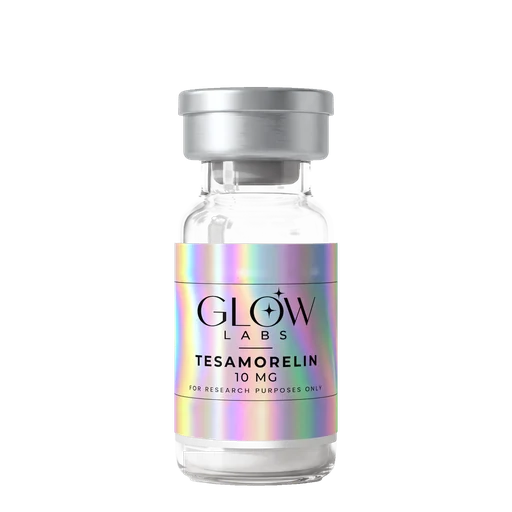
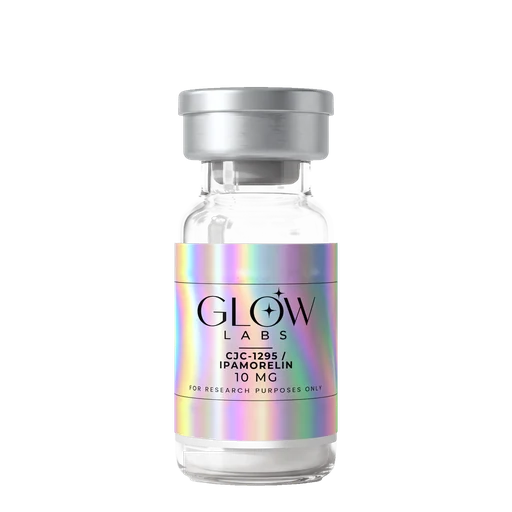
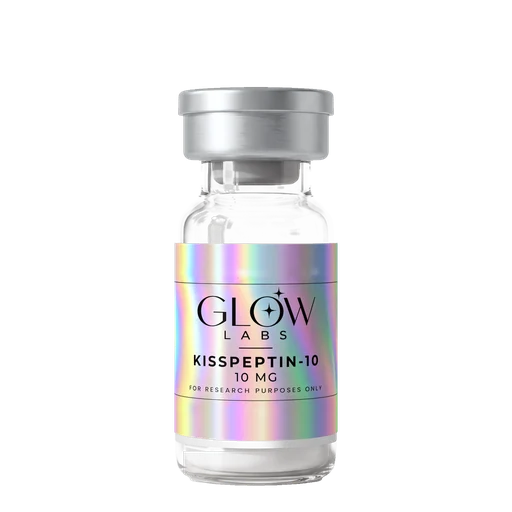
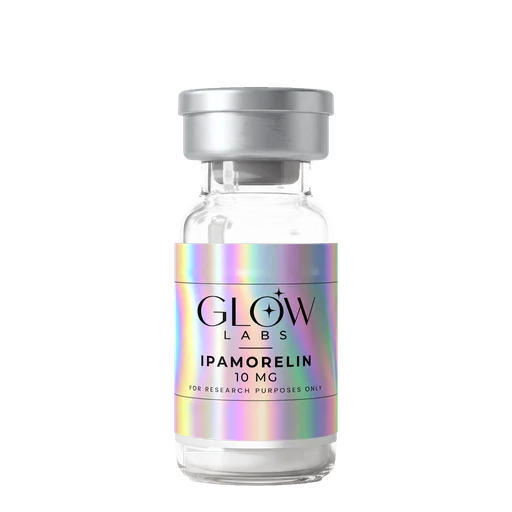
Hormone research peptides are lab compounds that scientists use to study the signals the brain sends to the pituitary gland. This area contains three growth hormone peptides: tesamorelin, CJC-1295 with ipamorelin, and ipamorelin alone. It also contains kisspeptin-10, which belongs to the reproductive hormone system.
1 in stock, 3 stocking soon
In this area
The compounds
Hormone research
Sold out, stocking soon. Message us to pre-order.
Plain outer packaging on every order.
Orders leave Traralgon in the afternoon during business hours, then travel tracked to your door.
Certificates of analysis available on request.
If a vial arrives damaged, broken or not what you ordered, message us within 7 days with a photo and we'll replace it free.
Background
About this area
What hormone research covers
A small region at the base of the brain is called the hypothalamus. It controls the pituitary gland by sending peptide signals down a short set of blood vessels. The pituitary then releases its own hormones in bursts, or pulses, rather than in a steady stream.
Researchers study both halves of that chain. For growth hormone, the key signals are growth hormone releasing hormone, or GHRH, and a second route through what was first called the GHRP receptor. For the reproductive system, kisspeptin sits above GnRH, which in turn controls the two pituitary hormones LH and FSH.
Sources: Raun K et al, Ipamorelin, the first selective growth hormone secretagogue, Eur J Endocrinol, 1998. Sigalos JT, Pastuszak AW, The safety and efficacy of growth hormone secretagogues, Sex Med Rev, 2018. Skorupskaite K, George JT, Anderson RA, The kisspeptin-GnRH pathway in human reproductive health and disease, Hum Reprod Update, 2014.
Growth hormone peptides: two different routes
Growth hormone peptides fall into two families, and the family decides which receptor a compound uses.
- GHRH analogues: tesamorelin and CJC-1295 copy the brain's own GHRH. Natural GHRH acts only briefly. A 2006 paper describes CJC-1295 as a long-acting version. It was built to last far longer in the blood.
- GHRP-type secretagogues: ipamorelin is a five residue peptide. It acts through the GHRP receptor, also known as the ghrelin receptor. Its 1998 discovery paper used blockers for each receptor. They showed it takes this route, like GHRP-6.
- Both together: CJC-1295 / Ipamorelin puts one compound from each family in a single vial.
A 2018 review of secretagogues notes that they trigger growth hormone release in pulses. The body's own feedback can still limit those pulses. The same review says few long-term, well controlled studies exist, and it flags a possible rise in blood glucose.
Our guides compare tesamorelin with ipamorelin and explain the CJC-1295 and ipamorelin pairing.
Sources: Teichman SL et al, J Clin Endocrinol Metab, 2006. PubChem compound record: Tesamorelin (CID 16137828), US National Library of Medicine. Raun K et al, Ipamorelin, the first selective growth hormone secretagogue, Eur J Endocrinol, 1998. Beck DE et al, Int J Colorectal Dis, 2014. Sigalos JT, Pastuszak AW, The safety and efficacy of growth hormone secretagogues, Sex Med Rev, 2018.
Kisspeptin-10 and the reproductive axis
Kisspeptins are made from the KiSS-1 gene. A 2001 study pulled three natural forms, 54, 14 and 13 amino acids long, out of human placenta. All three switched on a receptor then called GPR54, which turned out to be plentiful in the placenta and the pituitary.
Kisspeptin-10 is the shortest piece with full activity. A 2014 review describes kisspeptin as a main regulator of GnRH release and therefore of LH and FSH. Clinical physiology studies in healthy men, run by hospital teams, have measured LH pulses after kisspeptin-10, including a 12-day study published in 2026.
Sources: Kotani M et al, J Biol Chem, 2001. George JT et al, Kisspeptin-10 is a potent stimulator of LH and increases pulse frequency in men, J Clin Endocrinol Metab, 2011. Skorupskaite K, George JT, Anderson RA, The kisspeptin-GnRH pathway in human reproductive health and disease, Hum Reprod Update, 2014. Yeung AC et al, Chronic subcutaneous kisspeptin-10 stimulates gonadotropin secretion for 12 days in healthy men, Eur J Endocrinol, 2026.
What kind of evidence exists for each
- Tesamorelin: a 2007 phase 3 trial in 412 people with HIV measured abdominal fat by CT scan. A finished US medicine now contains it for that narrow use.
- CJC-1295: two placebo controlled studies in healthy adults in 2006 tracked growth hormone and IGF-1 levels.
- Ipamorelin: tested in rats and pigs in 1998, modelled in healthy volunteers in 1999, and trialled after bowel surgery in 2014. It was never approved.
- CJC-1295 with ipamorelin: no published trial of the pair. Healthy Male, an Australian men's health body, says human research has not shown the benefits the pair is promoted for.
- Kisspeptin-10: brief studies of hormone physiology in healthy volunteers, run in hospitals. None of them sets up an approved use.
Sources: Falutz J et al, Metabolic effects of a growth hormone-releasing factor in patients with HIV, N Engl J Med, 2007. Theratechnologies, EGRIFTA WR (tesamorelin) US prescribing information, DailyMed, US National Library of Medicine. Teichman SL et al, J Clin Endocrinol Metab, 2006. Raun K et al, Ipamorelin, the first selective growth hormone secretagogue, Eur J Endocrinol, 1998. Gobburu JV et al, Pharmacokinetic-pharmacodynamic modeling of ipamorelin, a growth hormone releasing peptide, in human volunteers, Pharm Res, 1999. Beck DE et al, Int J Colorectal Dis, 2014. Healthy Male, CJC-1295 and ipamorelin: Evidence, risks and legality. George JT et al, Kisspeptin-10 is a potent stimulator of LH and increases pulse frequency in men, J Clin Endocrinol Metab, 2011.
Regulatory status in Australia
CJC-1295 is one of the peptides the TGA uses as an example of an unapproved peptide product. It also appeared on the list of goods taken during a 2026 operation in New South Wales. Healthy Male notes that CJC-1295 and ipamorelin are not approved for general supply in Australia.
The tesamorelin approval mentioned above is American and covers only the finished medicine. Glow Labs supplies all four compounds here for laboratory research.
Sources: Therapeutic Goods Administration, Peptide products (topic page). Therapeutic Goods Administration, TGA flexes its muscle against illegal peptides and steroids, Media release, 2026. Healthy Male, CJC-1295 and ipamorelin: Evidence, risks and legality. Theratechnologies, EGRIFTA WR (tesamorelin) US prescribing information, DailyMed, US National Library of Medicine.
FAQ
Your questions
What does the evidence show for growth hormone peptides?
The honest answer is that the evidence is thin. A 2018 review found few long-term, rigorously controlled human studies of growth hormone secretagogues, and Healthy Male reaches a similar view on CJC-1295 and ipamorelin. Glow Labs makes no claim about any effect.
How is CJC-1295 different from tesamorelin?
Both copy GHRH, so they share a receptor. CJC-1295 was modified to stay in the blood much longer. Tesamorelin is the one that went through a phase 3 trial and became part of a finished US medicine.
Is tesamorelin a steroid?
No. Tesamorelin is a peptide, a chain of amino acids modelled on a brain hormone. Steroids are fat-like molecules built on four fused carbon rings, so the two classes are chemically unrelated.
What is kisspeptin?
Kisspeptins are a family of peptides made from the KiSS-1 gene. They act on the kisspeptin receptor, once called GPR54, and sit near the top of the hormone chain that controls reproduction.
Sources: Sigalos JT, Pastuszak AW, The safety and efficacy of growth hormone secretagogues, Sex Med Rev, 2018. Healthy Male, CJC-1295 and ipamorelin: Evidence, risks and legality. Teichman SL et al, J Clin Endocrinol Metab, 2006. Falutz J et al, Metabolic effects of a growth hormone-releasing factor in patients with HIV, N Engl J Med, 2007. PubChem compound record: Tesamorelin (CID 16137828), US National Library of Medicine. Kotani M et al, J Biol Chem, 2001. Skorupskaite K, George JT, Anderson RA, The kisspeptin-GnRH pathway in human reproductive health and disease, Hum Reprod Update, 2014.
Explore
Other areas
Not sure which compound fits your research?
Ask on WhatsApp